Water infrastructure
INDUSTRIAL WATER APPLICATION

Power reliability starts with the water systems behind it.

Power plants and powered campuses depend on water supply, treatment, chemical feed and wastewater handling. XPC brings equipment readings, operator rounds and authorized site imagery into one operating view, so the team catches exceptions at remote or lightly staffed facilities and explains what happened.

Plan a 45-day validation

One operating record

Follow water from supply to discharge

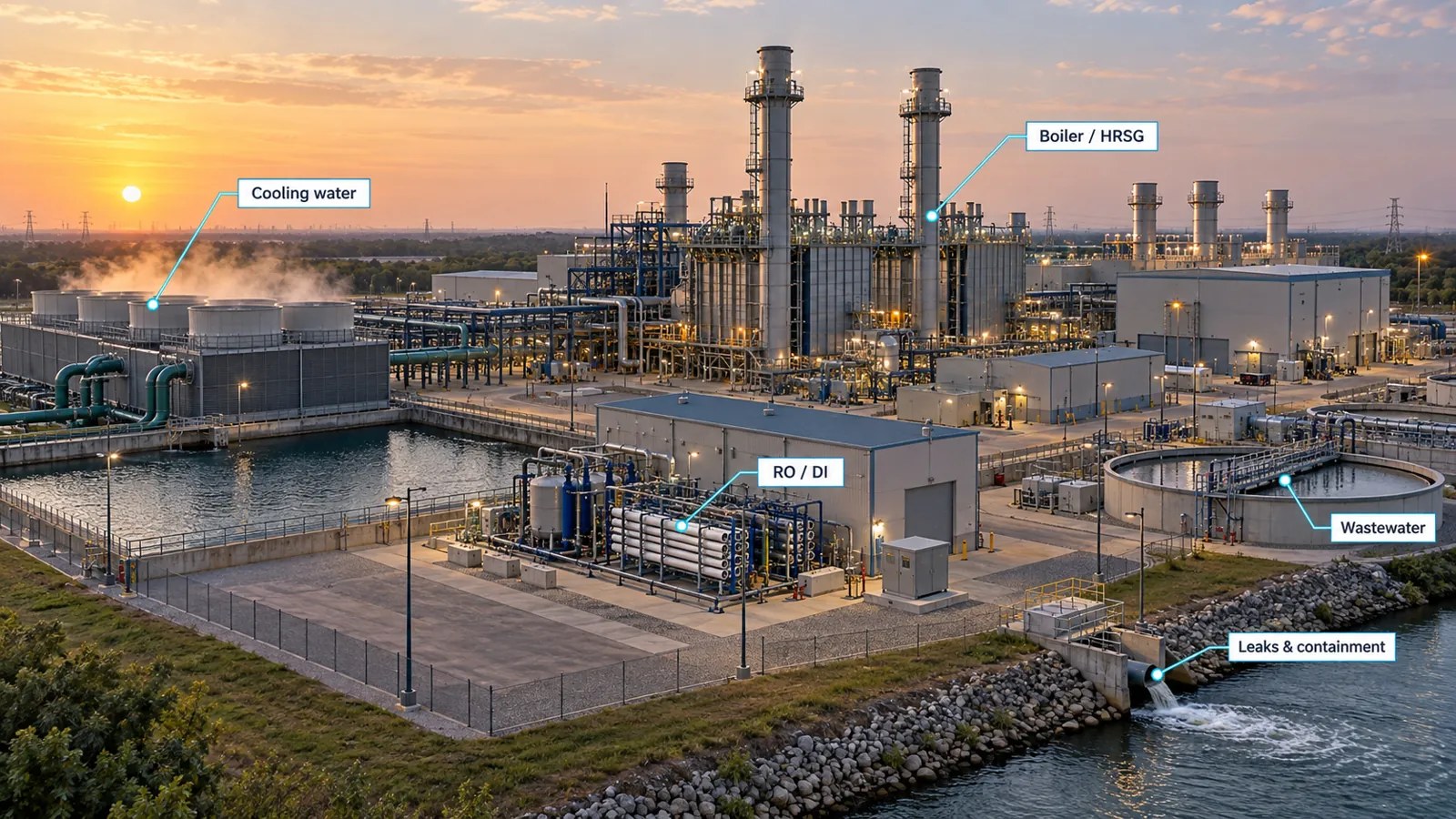
XPC follows the water path the site actually runs: source and storage, treatment and chemical dosing, cooling makeup and blowdown where present, and wastewater or containment. Each event is tied to its own meters, sensors, field checks and camera views.

  • FIELD Operator round, lab result, delivery or maintenance record
  • EQUIPMENT Source and tank level, flow, conductivity, feed and pump state
  • VISUAL Authorized views of treatment units, transfers and containment
Water operations
Water event review

An event worth reviewing

What happened at this site?

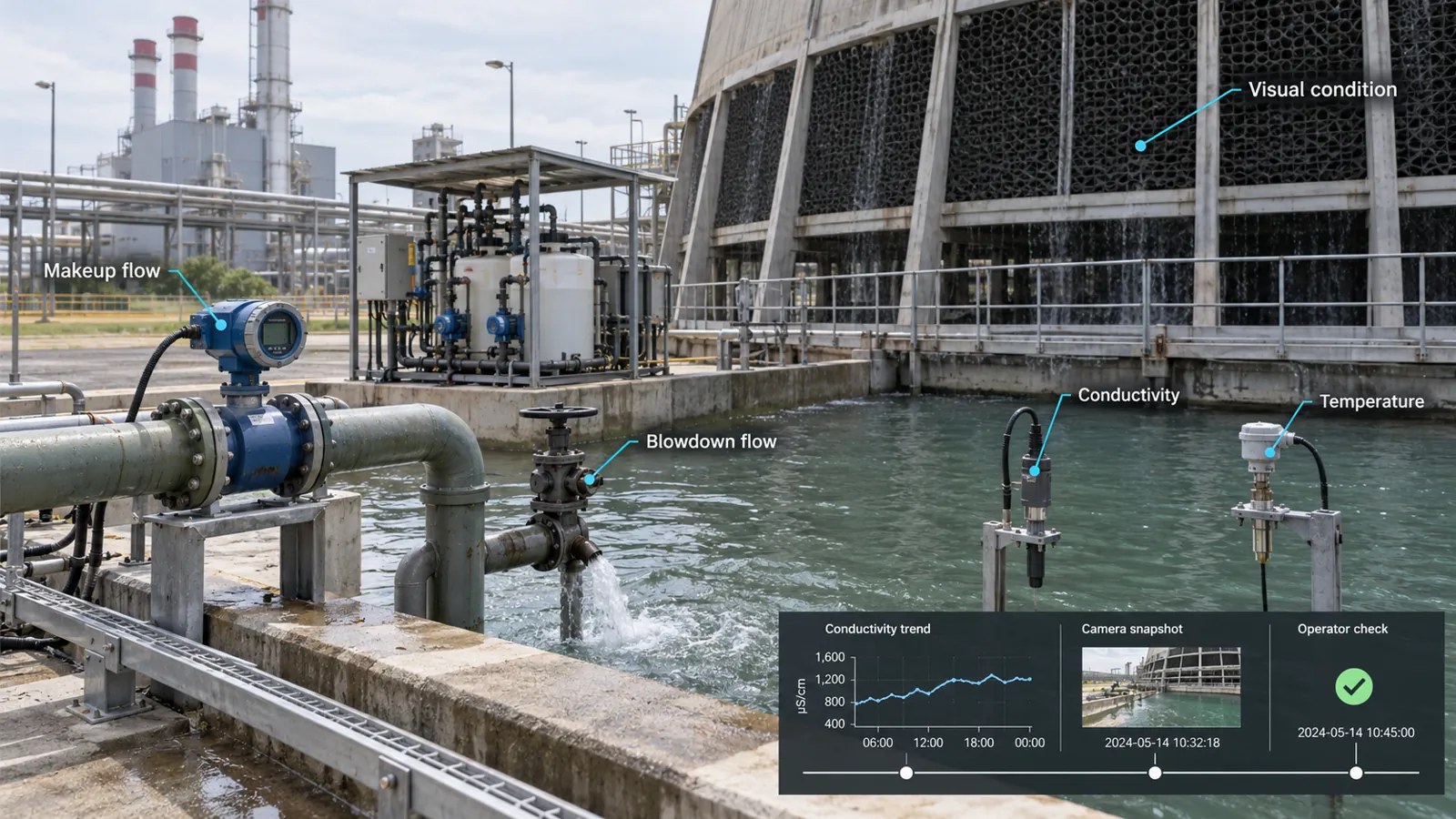
When makeup conductivity rises while blowdown flow falls, XPC places the trend beside the valve state, chemical feed record, operator round and authorized tower view. The operator checks whether this is a sensor fault, valve issue, source-water change or actual process excursion, then records the response.

The output

Something an operator can stand behind.

XPC assembles the event timeline: first abnormal reading, equipment state, field check, camera frame, action and return to operating band. The shift team and water treatment contractor review the same source-linked record.

XPC reads and organizes existing data. The plant DCS, historian, laboratory and operating procedures remain the control and decision authorities.

XPC WATER · OPERATOR REVIEW

Site event · one time window

01 / Field record
Operator entry and action

02 / Equipment record
Trend and device state

03 / Visual record
Authorized image when useful

04 / Human conclusion
What the team confirmed and what remains unknown

SOURCE LINKED · OPERATOR REVIEWED

WHERE XPC FITS

Four water workflows with an operator at the center.

These are water operations use cases, not turbine controls. The exact signals depend on the plant design and available access.

01 · SOURCE & TREATMENT

Source water changes before the plant sees them.

Watch: supply flow, storage level, turbidity or conductivity where measured, filtration or RO differential pressure, pump state and field samples.

Investigate: a source change coincides with filter loading or a treatment skid alarm. XPC lines up the sensor trend, sample, equipment state and image so the water team sees the sequence.

02 · CHEMICAL FEED

A dosing gap should have a traceable response.

Watch: feed pump state, commanded versus measured feed where available, tank level, receiving flow, operator entry and visual containment.

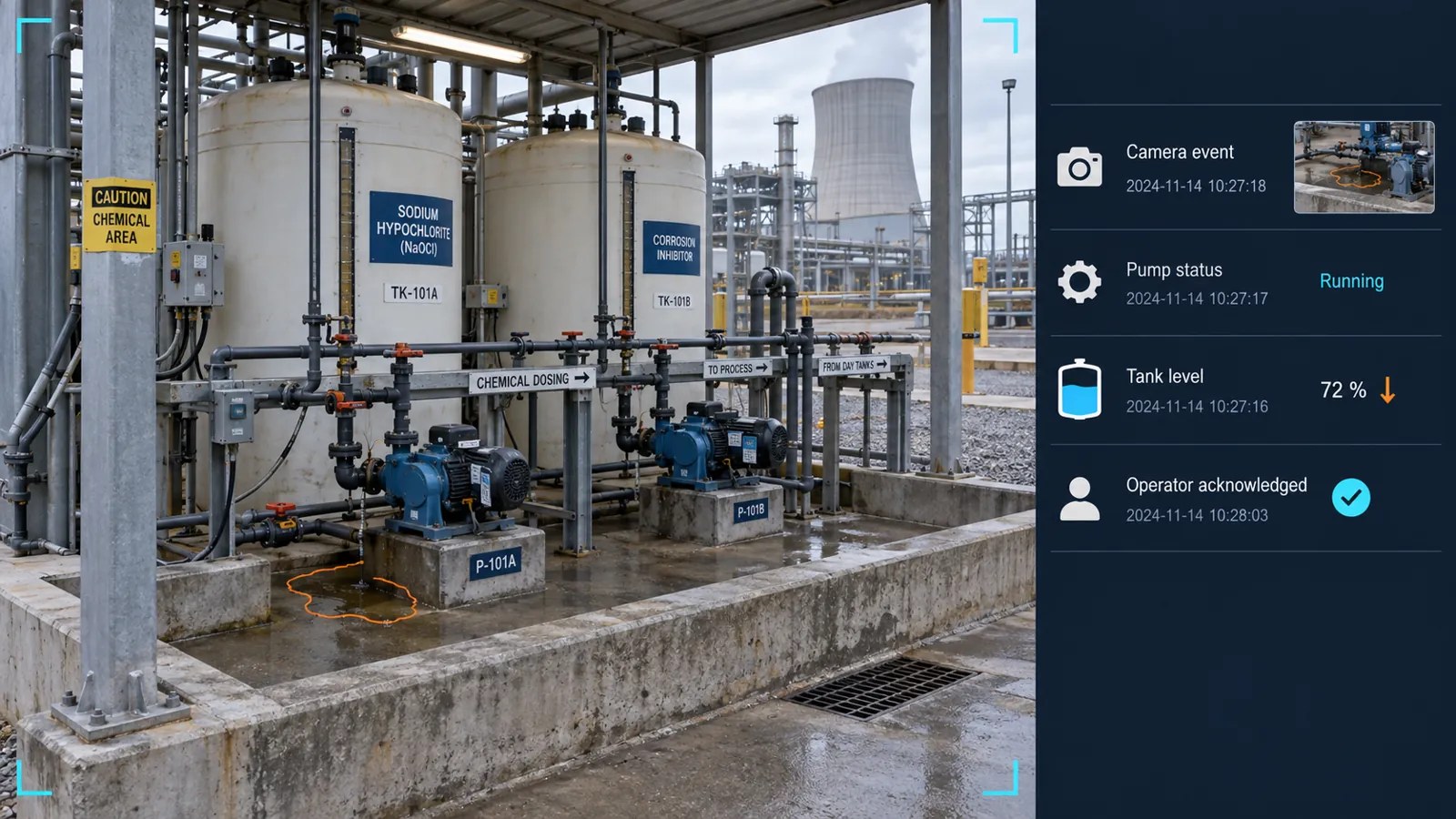
Investigate: a feed pump reports running while chemical tank drawdown stalls. XPC raises the discrepancy and collects the nearby records for operator review.

03 · COOLING WATER, IF PRESENT

Makeup and blowdown tell a water-use story.

Watch: makeup and blowdown flow, conductivity, basin level, valve state, chemical feed and the site’s target operating band.

Investigate: cycles move away from target while makeup rises. XPC puts the ratios, valve and feed history, operator check and authorized imagery together before the team decides what changed.

04 · WASTEWATER & CONTAINMENT

See a visible condition and its operating context.

Watch: sump and tank level, transfer pump state, flow, containment views, work orders and field notes.

Investigate: liquid appears near a dosing skid while a sump level climbs. XPC flags the image and aligns the equipment timeline so the crew can inspect and classify the condition.
DESIGNED FOR THE ACTUAL PLANT

Built around the systems your plant runs.

XPC starts with the installed water path. At a wet-cooled plant, we bring makeup, blowdown and treatment into the review. A steam cycle adds high-purity makeup and boiler chemistry records. A dry-cooled site may put the emphasis on source treatment, auxiliary systems and wastewater. The event record reflects the actual configuration.

XPC does not infer chemistry from a camera image. Lab and online analyzers supply chemistry; image analysis documents visible conditions at approved views.

Power generation water systems

POWERED CAMPUS WATER

Water supply and on-site generation share an operating boundary.

Where a data center campus has on-site power generation, the water team may operate treatment, storage and transfer systems serving both campus and generation needs. XPC aligns the operating record across those facilities so each exception has a clear site, time, source and operator response. The connected signals follow the installed plant design and the receiving customer's requirements.

Explore produced water for data center cooling

45-day validation

One site. One workflow. A decision on day 45.

Start at one water system with a real operating pain: makeup supply interruption, dosing discrepancy, excessive blowdown or a containment event. Connect its existing data sources and measure exception detection, review time and report completeness.

Plan a 45-day validation