For teams running DAF and ClO2 treatment — on remote pads or inside the plant
When a DAF or ClO2 unit goes off normal, the evidence is already there.
XPC watches your SCADA readings, camera frames and field records together. When a unit leaves its band, the operator gets everything needed to investigate in one place — without driving out or walking the plant.
U.S. patent pending · in production since 2018 in the Permian Basin and Eagle Ford
Alert 06:03 — DAF 2
Treated turbidity above its band for 3 readings.
Chem feedStopped
Flow41.8
pH7.3
LiveBarrels recorded through XPC
0 bbl today so far
1,041,962,134 bbl in total
Barrels per day, last 30 days · updating live
1,041,962,134barrels recorded through XPC
414job sites reported
198,560field records read
How it works
One unit, one camera view, one upset — from alert to record.
XPC does the part of the job that eats the morning: finding what changed, when, and what the camera saw. The operator makes the call.
How an alert unfoldsNormal — reading inside its band
Neural net
Frames measured 0
Zones scored 0
Readings lined up 0
Match 0.0%
Evidence ready ✓
1
AI analyzes the unit’s normal
XPC’s AI learns how this unit normally runs, checked with your operators against normal, concerning and misleading examples, and sets the limits from it.
2
⚠ Alert 06:03Treated turbidity above band for 3 readingsText + email sent
Alert on a change that holds
A reading or camera measurement out of band for several readings in a row. One alert, by text or email.
3
05:30Now
Flow 41.8pH 7.3Chem 0.0
Neural nets deliver evidence
Our neural networks measure the camera frames now and before, lined up with flow, running status, pH, chemical feed and turbidity.
4
✓ Closed 06:40“Chem pump restarted, back in band.”Added to customer report
Record what was done
What it was and what the crew did, kept with the evidence for the shift or customer report.
The operator sends supervisors an executive summary by email, as an Excel workbook or a PowerPoint deck, and a text confirms it is closed.
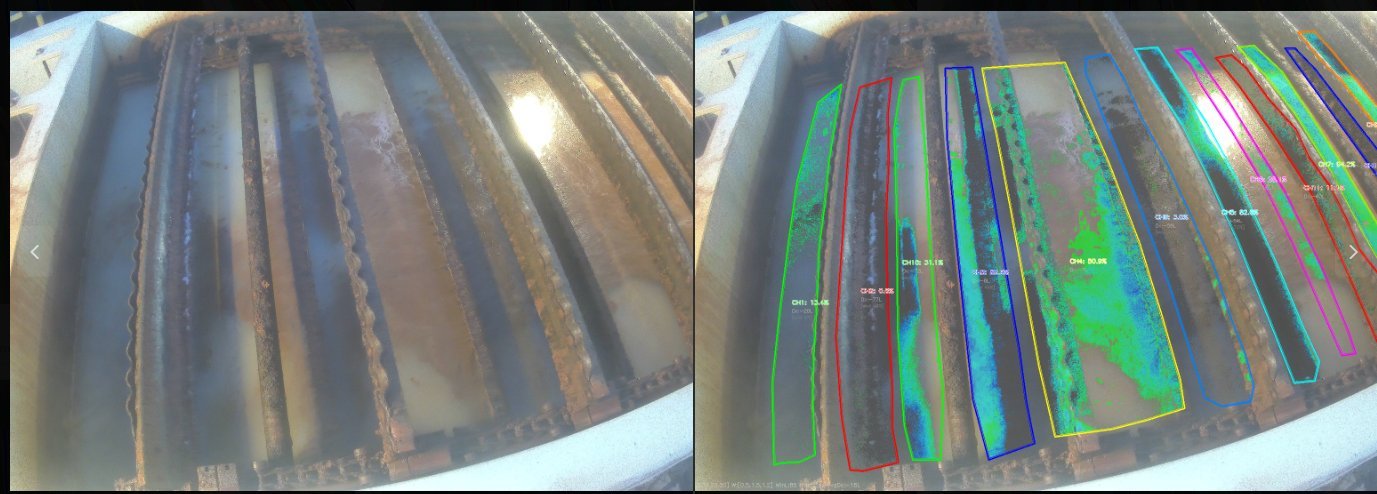
What the AI sees
Real camera frames from real units, measured by our models.
Every image here is a frame from a working site, beside what the model measured on it. Three models, trained on the sites they run on.
Camera frameModel output —
Looks at
Outputs
You use it to
Real upsets, from the record
What XPC caught on working sites this fall.
Every number below is from production data, autumn 2026. Site and customer names are left out.
Cross-pipeline correlation · DAF · Permian Basin · Oct 2026
Treatment stopped keeping up with the load
⚠ XPC correlation model: “treated result +401% against the baseline while the incoming load rose and chemical per barrel was rising — treatment is not keeping up with the load.”
Incoming turbidity (NTU, shown up to 1,000)Treated turbidity (NTU)Chemical, gal per 1,000 bbl
4 → 880NTU treated, early Oct to Oct 25
5.5 → 40gal of chemical per 1,000 bbl at the peak
~50,000bbl a day kept flowing through it
More chemical alone did not bring the treated water back. XPC raised it as one finding instead of three separate numbers on three separate sheets.
ML anomaly model · ClO2 frac job · Sept 2026
Residual jumped and stayed high
Treated residual ran 2–5 ppm for the first stages, then jumped to 13–17 ppm at stages 3–4 and held near 10 ppm for the next 14 stages while the dose was lowered from 22 to 18 ppm. XPC’s residual model flagged the spikes.
SCADA alert · transfer pump · Oct 2026
Pump stopped
Pump speed read zero for three readings in a row and raised a critical alert — three readings, not one, so a blip does not wake anyone.
Camera AI · DAF weir · Oct 2026
Weir not clearing
The camera measured the weir and saw it was not clearing, three readings running. An alert from what the camera saw, not from an instrument.
Instrument health · Aug–Oct 2026
A sensor that died but kept talking
A pressure transmitter reported exactly 1.185149 for 73 days. It never went offline, so it looked alive. XPC flagged the frozen value.
The 45-day validation
Prove it on one unit before you buy anything bigger.
One DAF or ClO2 unit, one camera view, 45 days. At the end you have numbers, not a demo.
No long-term commitment
No credit card
Success agreed in writing, day 1
Day 1Install and connectAIBox in, readings and camera live
Week 1AI learns the normalLimits set with your operators
Days 8–44Alerts liveEvery alert labelled by your crew
Day 45Review togetherYour numbers, your go / no-go
You provide
One unit and read access to its SCADA / PLC
One camera position (or we supply one)
An operator who labels alerts for 45 days
We do
Install the AIBox and connect the readings
Set normal and limits with your operators
Run the alerts and keep the evidence
You get at day 45
Every alert, labelled real, false or misleading
Investigation time before and with XPC
A go / no-go you can take to your customer
At day 45 you have proof, in your own numbers: how often XPC’s alerts caught a real issue, and how much faster your team found the cause.
The people who built it are the people who answer the phone.
XPC is led by the engineers who wrote the software and wired the hardware themselves, on working produced water sites, backed by specialist engineering and consulting teams.
Founder · Lead developer · The mind behind the patent
Ivan Sager
Ivan is the mind behind XPC’s patent-pending correlation method — the part of XPC that turns separate records into one finding an operator can act on.
Ivan has built software that businesses run on since he founded Sager Systems in 2000. In 2018 he took that to the oil field. XPC Water was built on live produced water sites, not in an office — and when a new measurement goes in, Ivan is still the one standing at the tank.
He designed and wrote every part of the platform: the pipeline that reads the crews’ field spreadsheets, the SCADA and MQTT telemetry, the correlation engine the patent application covers, the reports customers receive, the software on the AIBox and the deployment behind it all.
Since 2000building software businesses depend on
US 19/645,295patent application, co-inventor
198,560field records read by what he built
CS + MBAcomputer science background, MBA
Co-inventor · Head of AI · Designer of AI Model Studio
Ryan Sager
Ryan is the brains behind XPC’s AI — every model that looks at the water, and the studio they are built in.
Ryan is XPC’s AI lead. He designs and trains the convolutional neural networks that look at the water — zone segmentation, colour depth and spill detection, built on U-Net segmentation and YOLO object detection — and he designed AI Model Studio, where XPC’s models are labelled, trained, versioned and released to the sites.
He graduated from Texas Tech University in computer science and mathematics, magna cum laude and through the Honors College — and then went to the field. Ryan mounts the cameras, wires the AIBox units and connects the sensors across the Permian Basin himself, so the models are trained on the sites they run on, in the light and weather those sites actually get.
Texas TechCS and mathematics, magna cum laude, Honors College
AI Model Studiodesigned by him: label, train, version, release
In the fieldcameras, AIBox and sensors installed by him
Co-inventoron the pending patent
You reach the buildersNo account manager and no first-line queue. The person who answers wrote the code or wired the box.
You can hold it yourselfXPC runs in our cloud or inside your own network, with your own database. Source escrow can be written into the agreement.
Nothing is locked to usPostgres, Docker, MQTT and ONVIF throughout. Nothing in your data needs XPC to read it.
What customers say
Used every day by the people who run the sites.
“Managing a fleet of dissolved air flotation systems, including the largest one in the Permian Basin, requires an analytics platform that can scale and be responsive to rapid change. The XPC platform does that, and our customers and staff depend on the reporting and alerting.”
Evan HeminwayTechnology Director
“When you oversee operation facilities with 600+ million barrels, you need a system that can rapidly bring together field data securely and accurately while being notified of critical alerts. XPC Water and their team has been a proven platform for us over the years.”
Adam CerrilloDistrict Manager
“Ivan and the team continually innovate and expand their platform. It is a great pleasure to be using, growing and helping enhance the platform.”
Gary GriesenbeckCEO
“Managing and monitoring hundreds of Excel files that are used in some of the field operations would be impossible without XPC. The platform is accommodating and scales to our needs.”
Dennis RodarteWater Reuse Engineer
“XPC Water and their team have earned my trust and respect. This platform is solid and does what is needed.”
Michael AnayaEagle Ford Supervisor
“Our invoice requirements were complex, but the XPC Water platform integrated with Open Link, the supplier platform, and automated the process in days. We could not have managed without it.”
Danny ConnerAccounting Director
“I have worked on a lot of systems in my career. XPC is simple, complete, and great to run a business with.”
Lambert GonzalezGardendale, Permian Basin
“With over 218 million barrels of water, XPC has perfected the niche in enabling efficiency and profitability in water treatment. With the abundance of possibilities, XPC can impact oil and gas for the greater good of the environment and its users.”
NickPermian Basin
“The platform has been a game changer for us. It just works.”
Built on working sites, with the crews who run them.
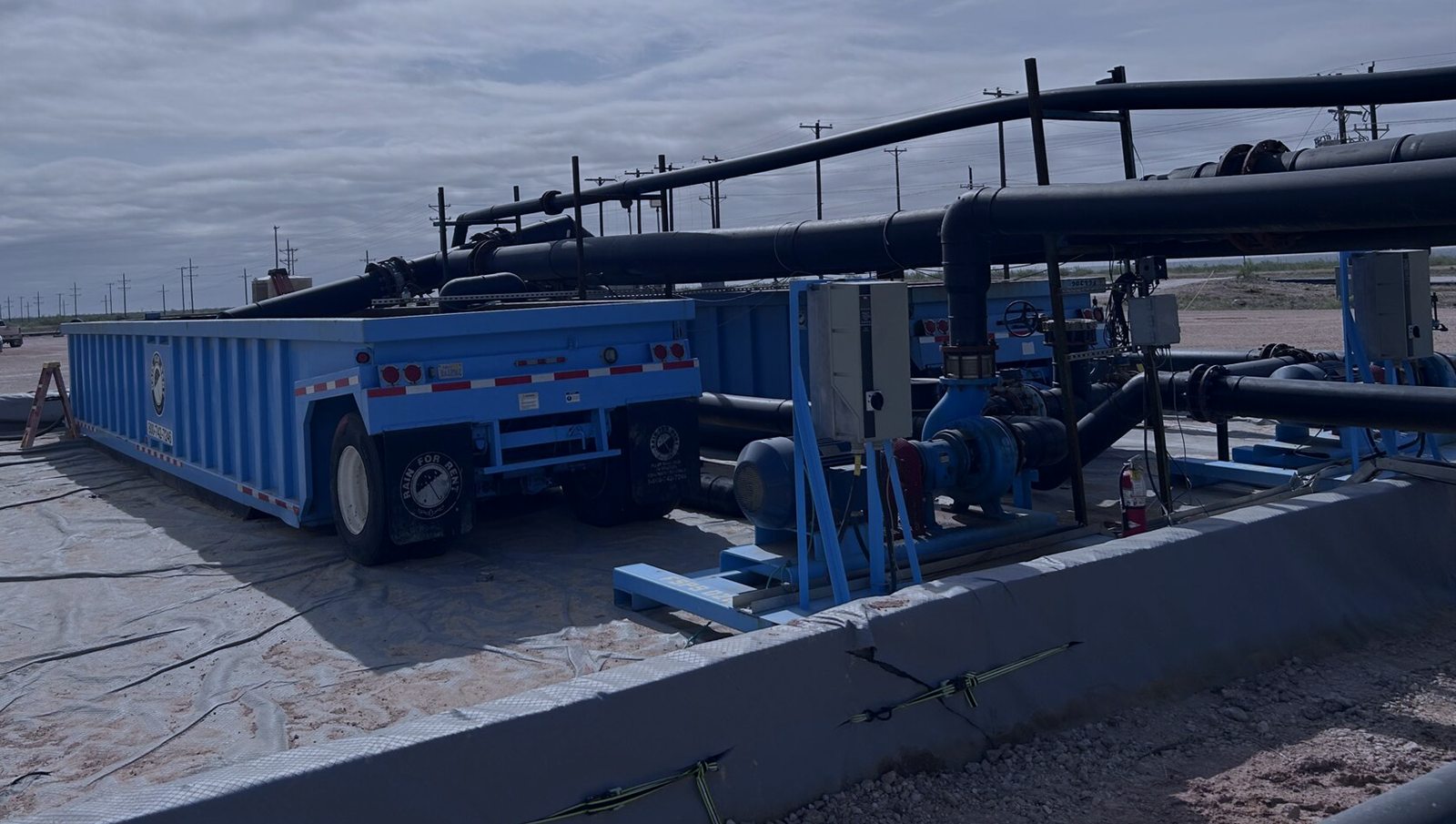
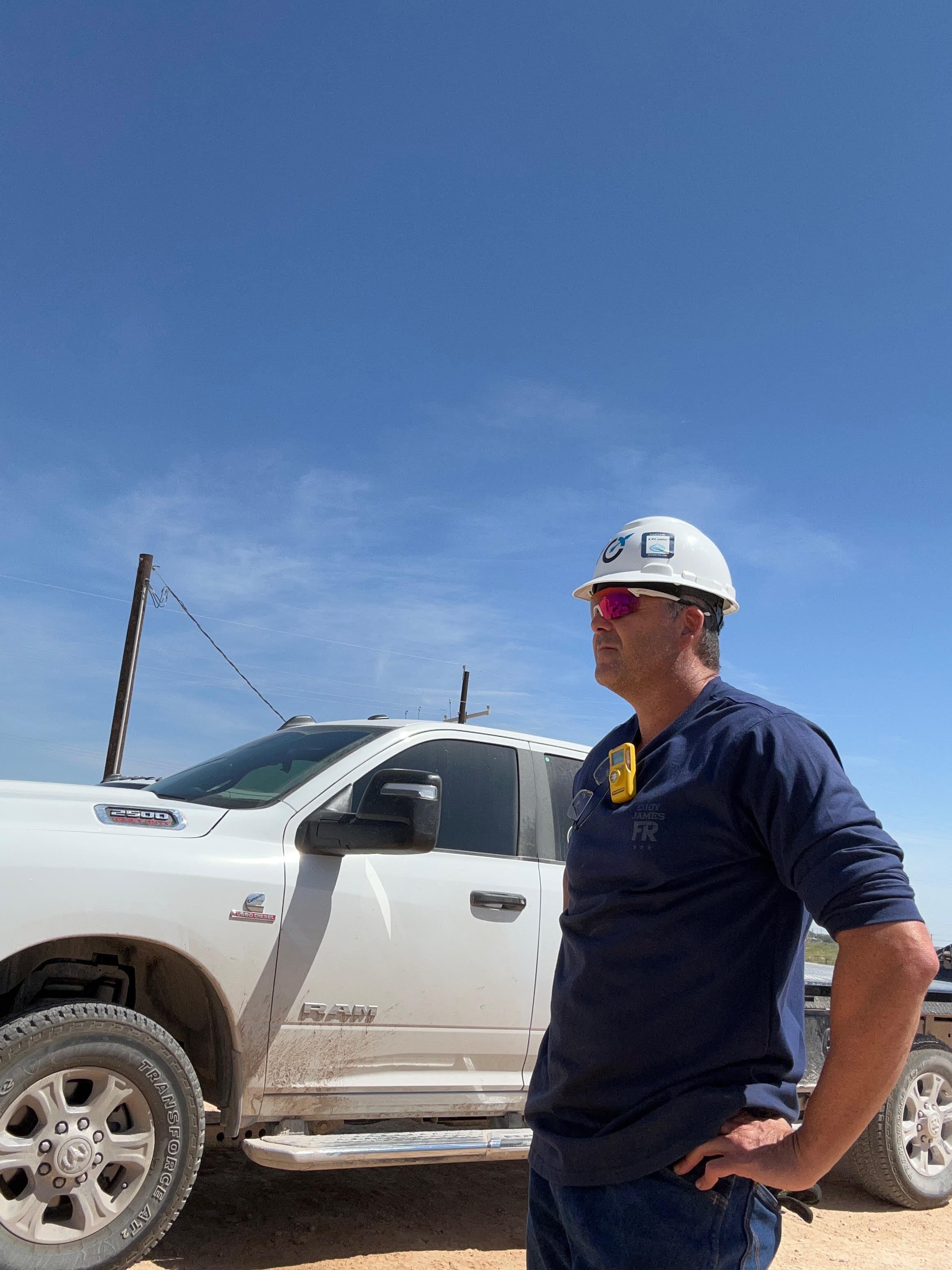
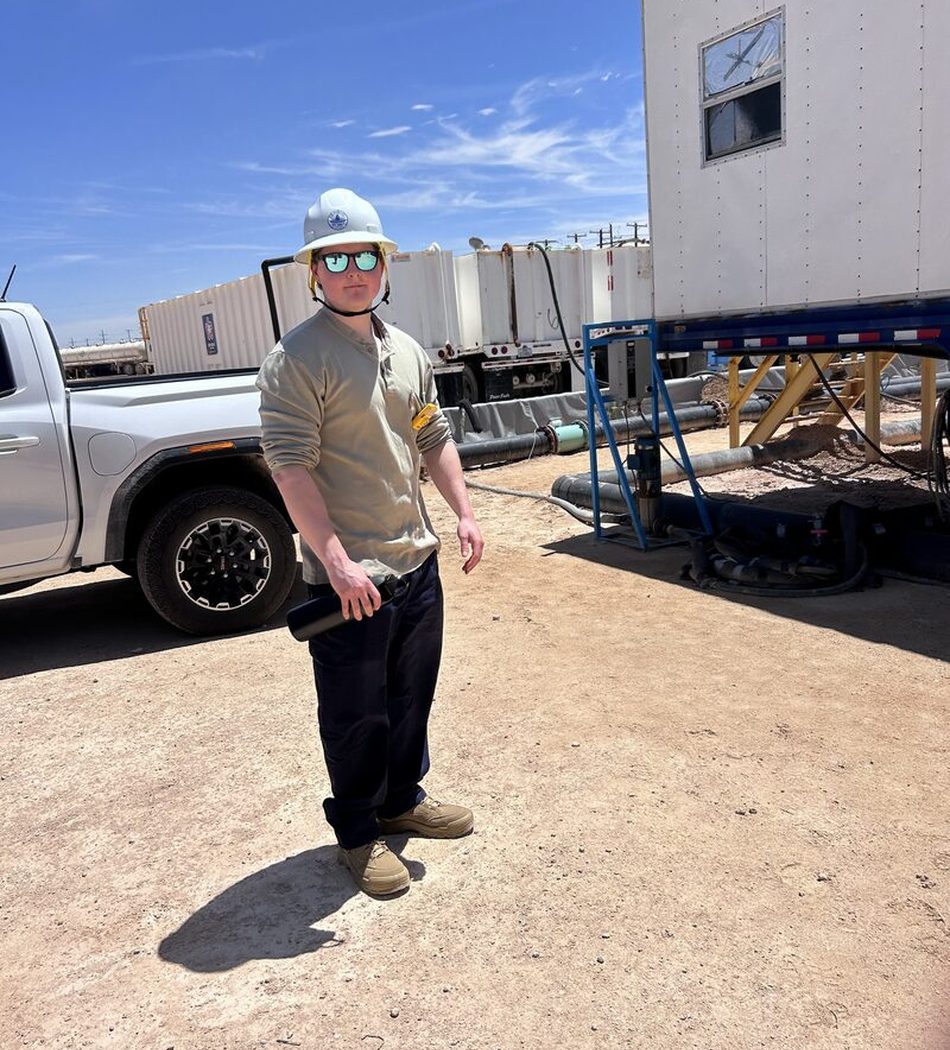
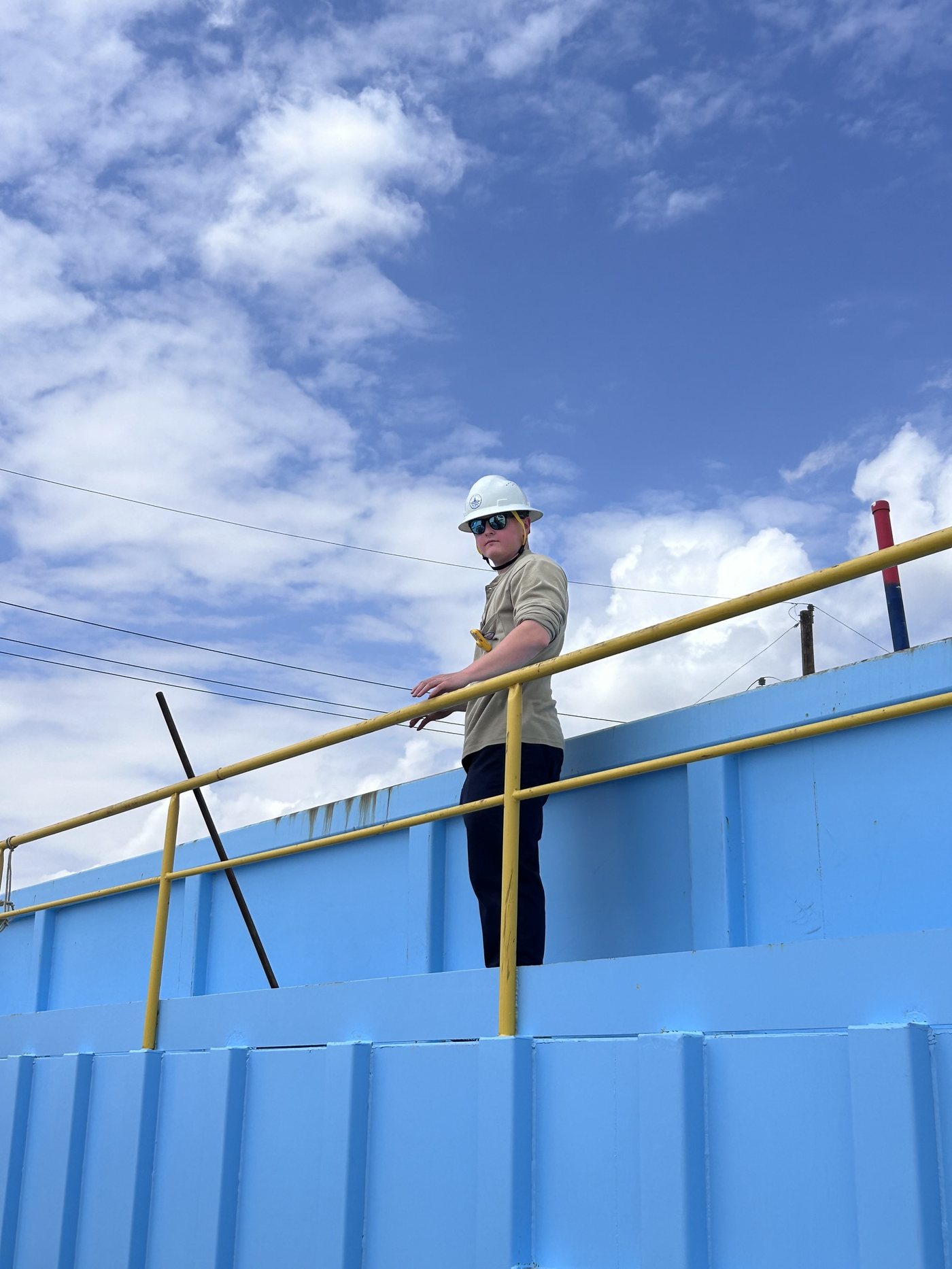
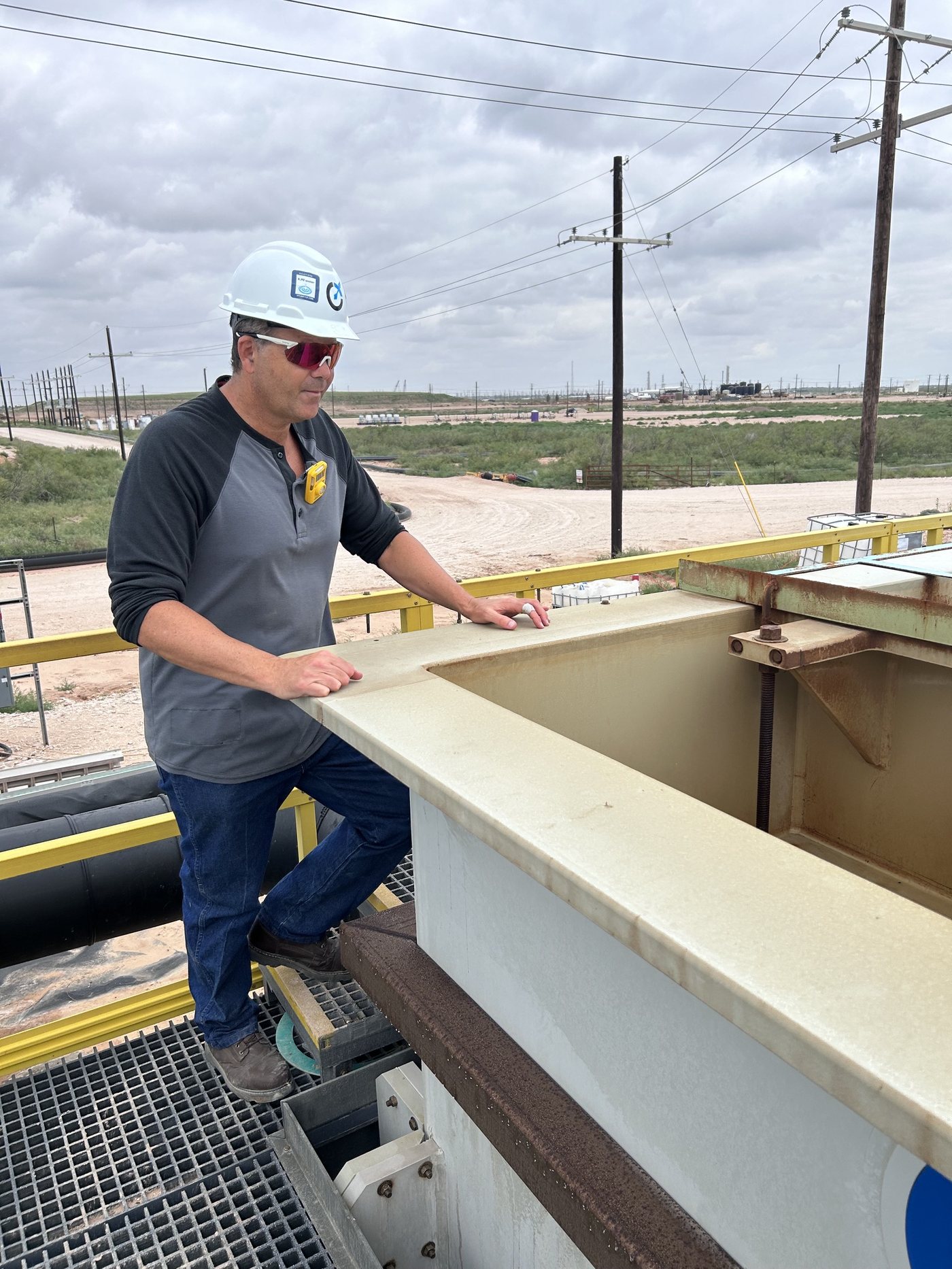
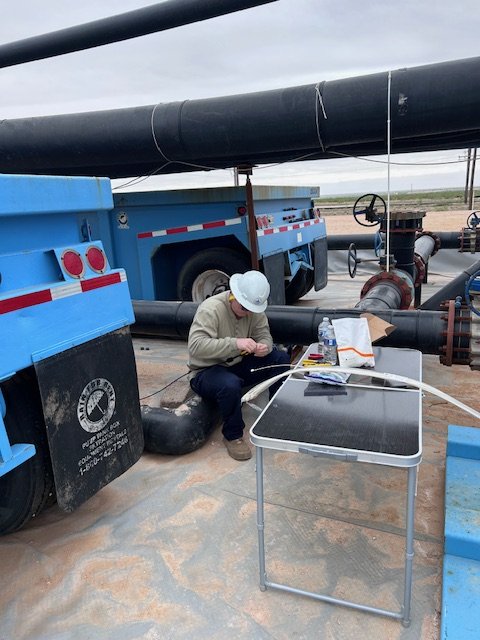
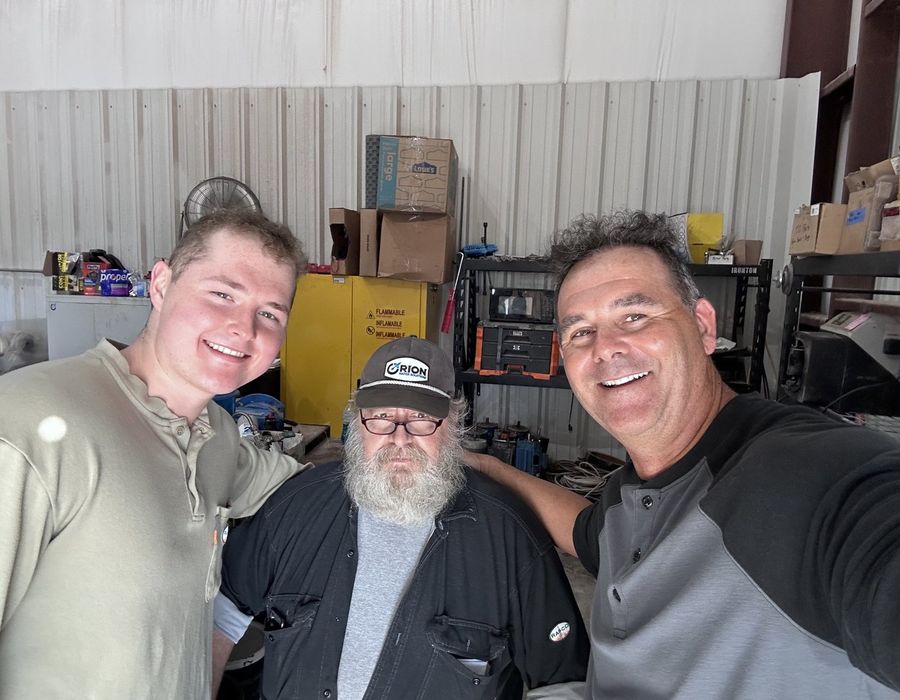
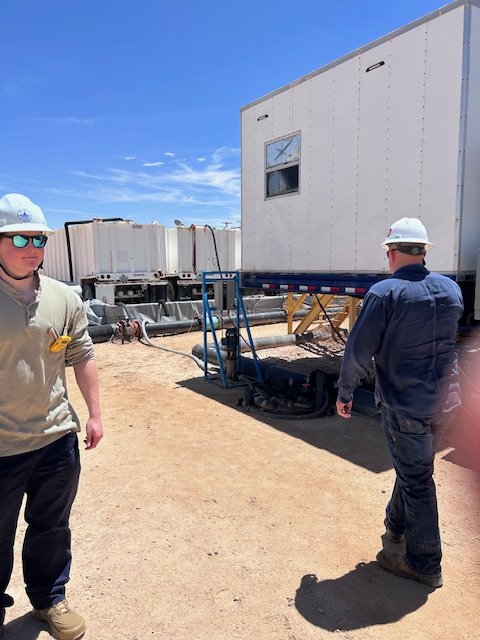
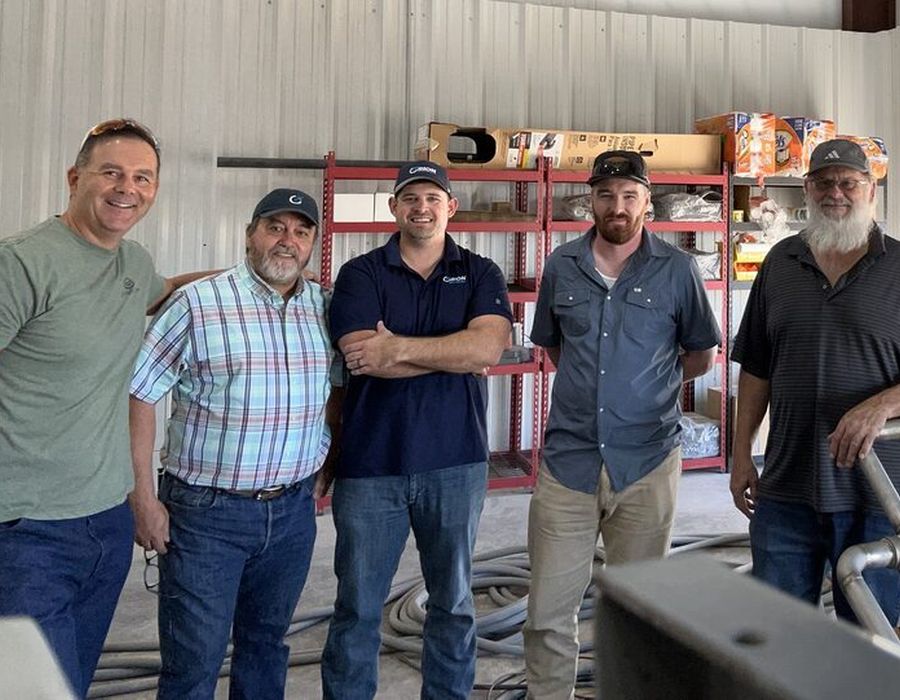
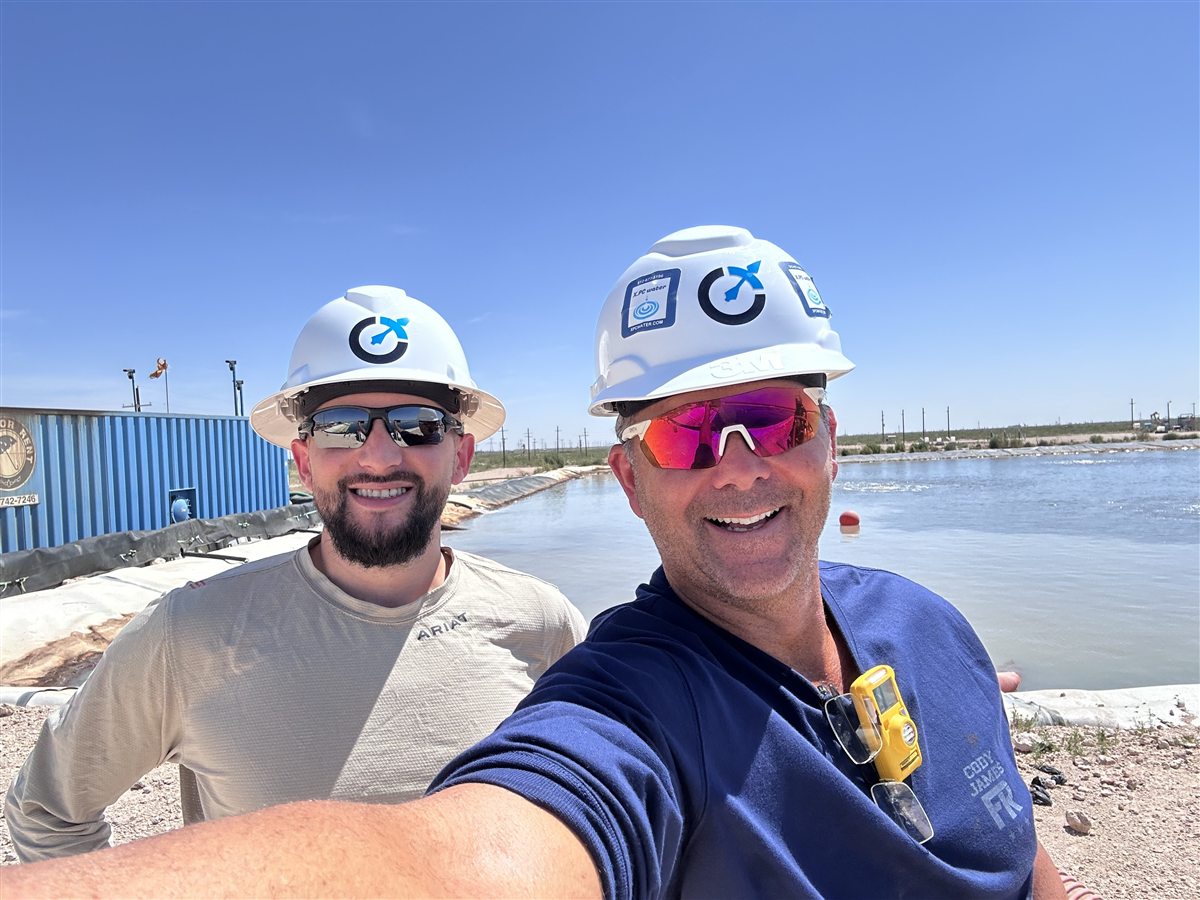
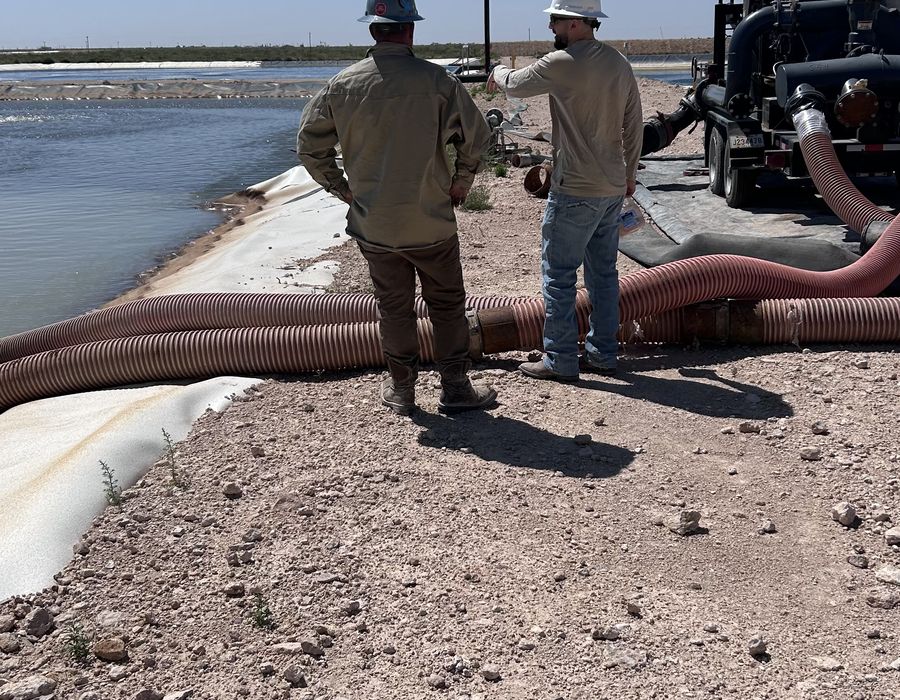
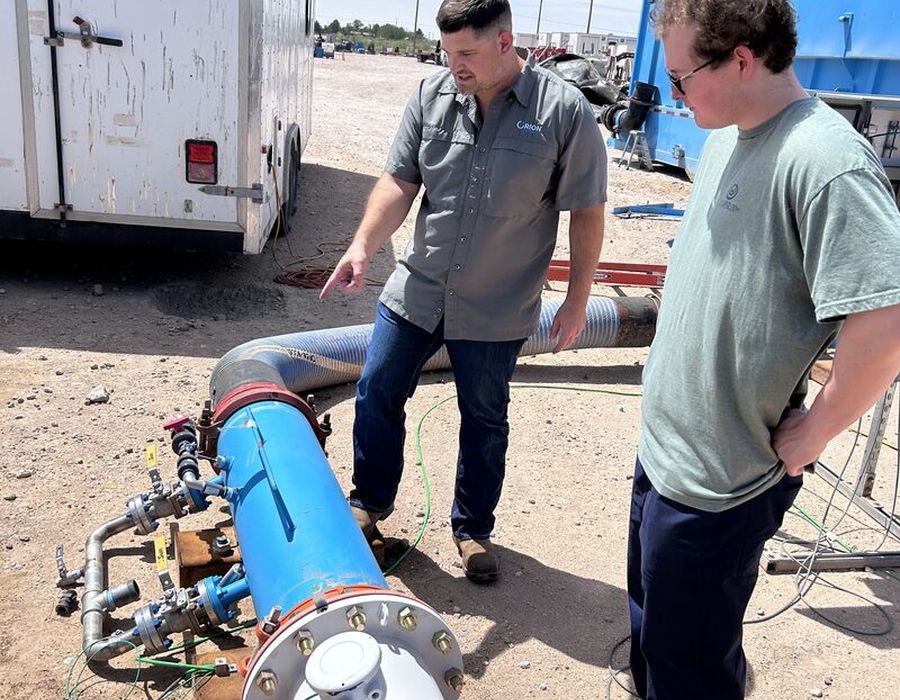
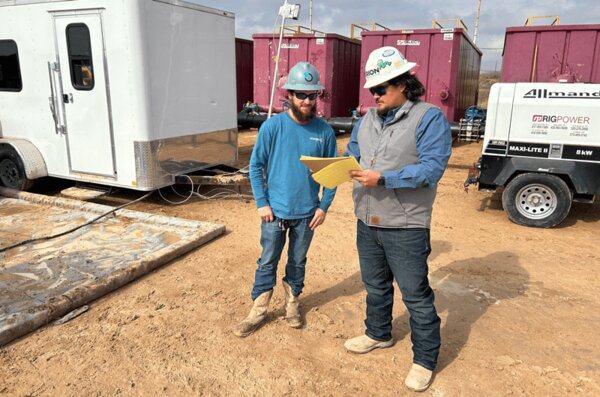
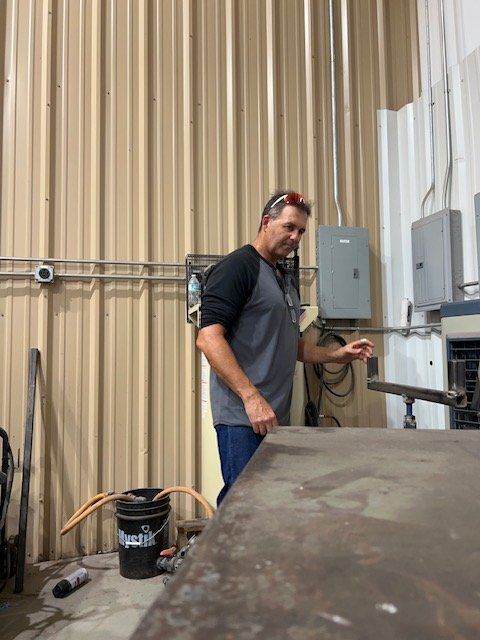
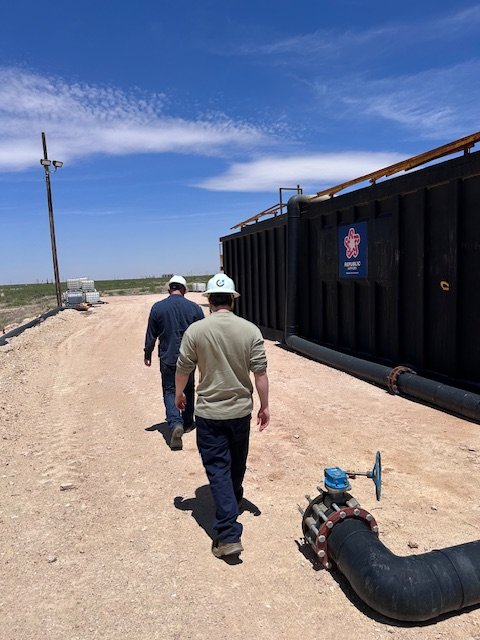
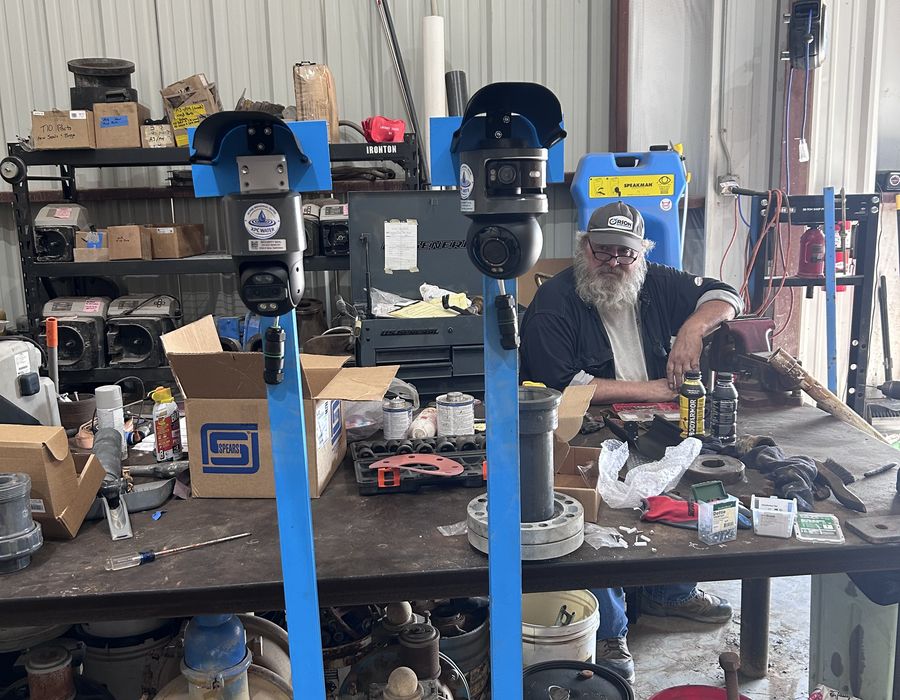
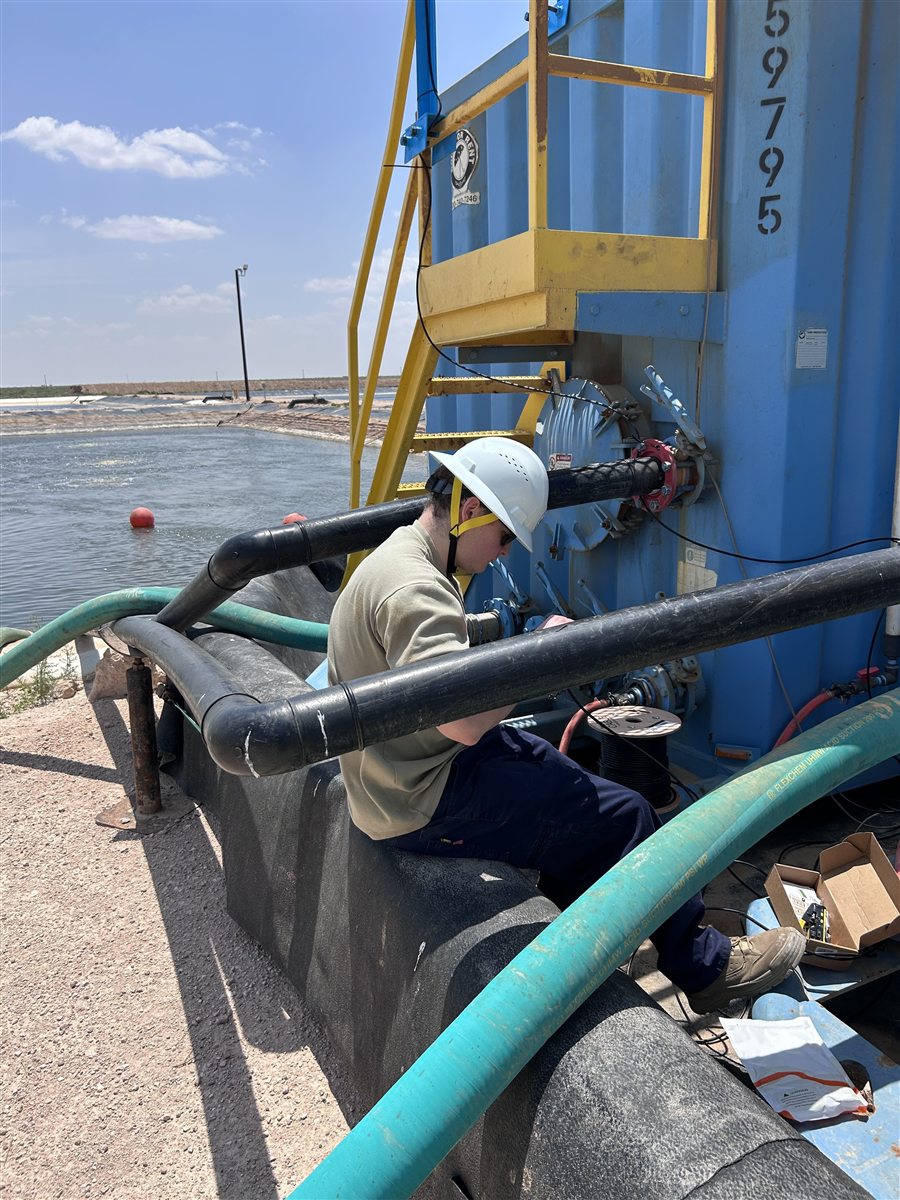
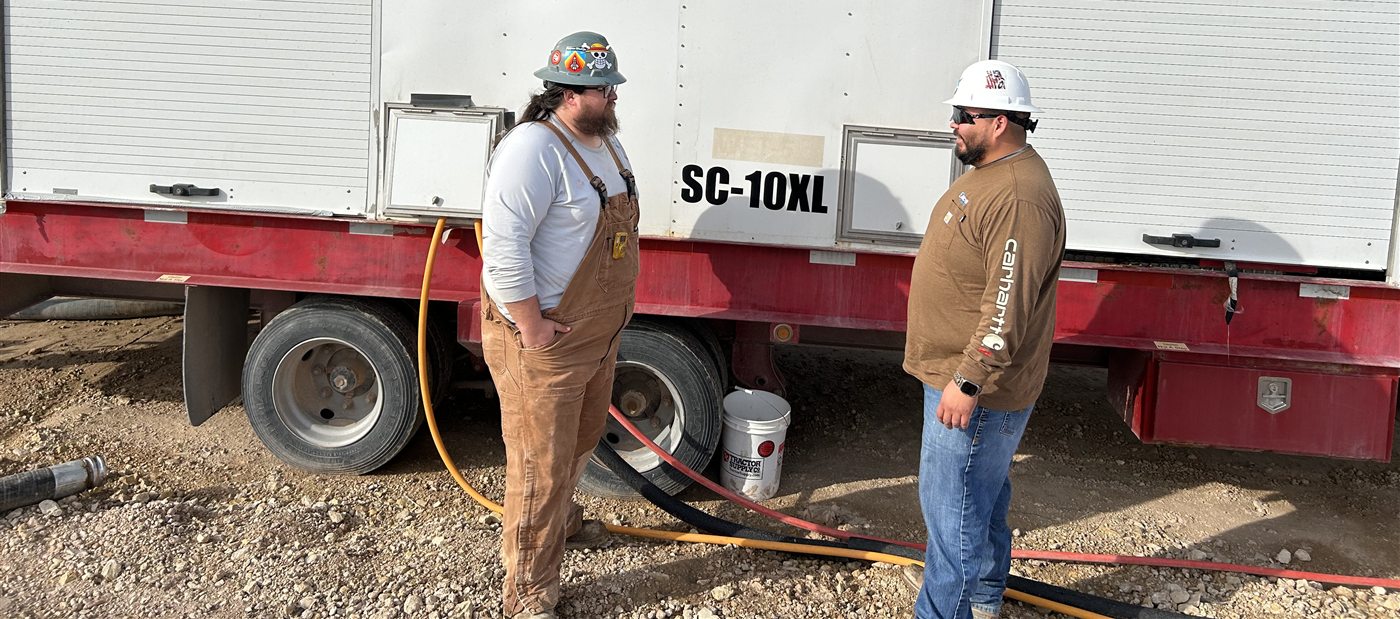
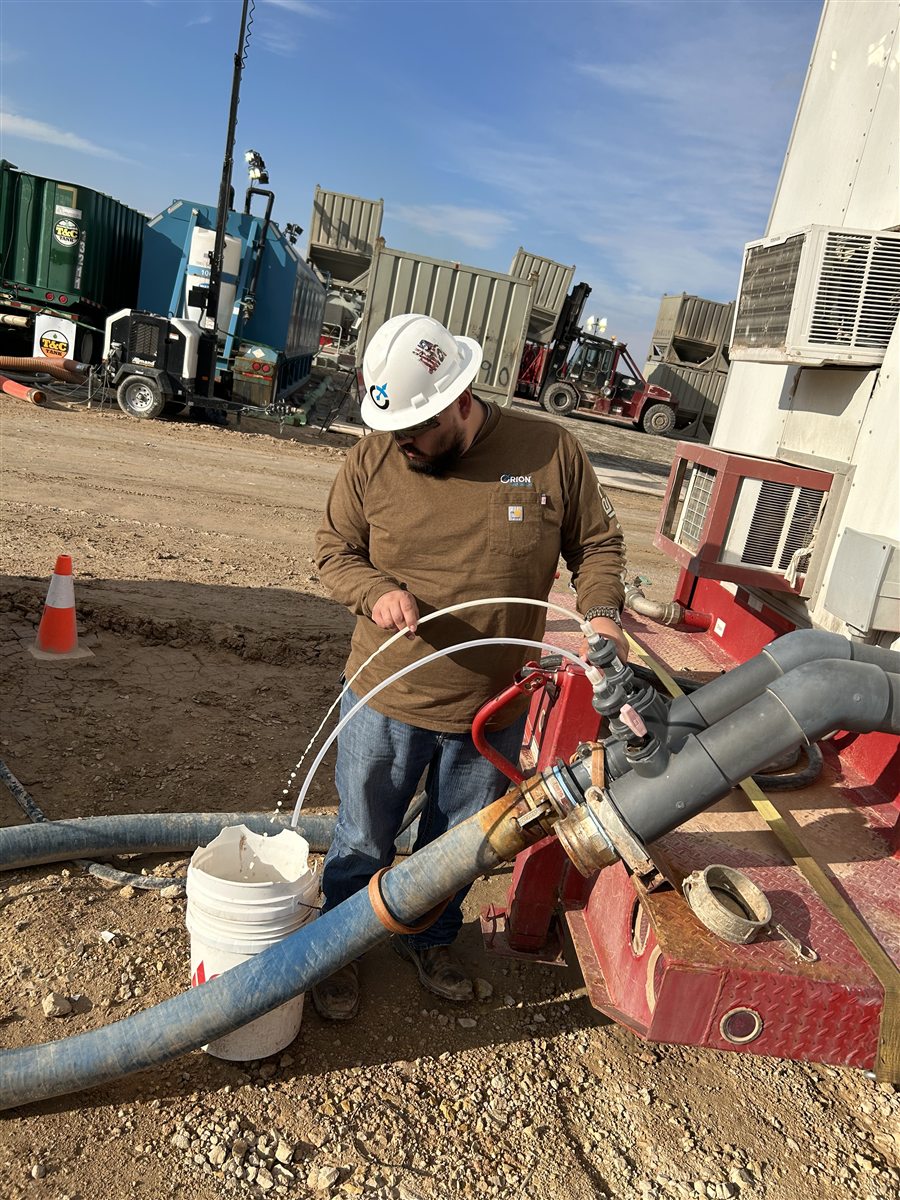
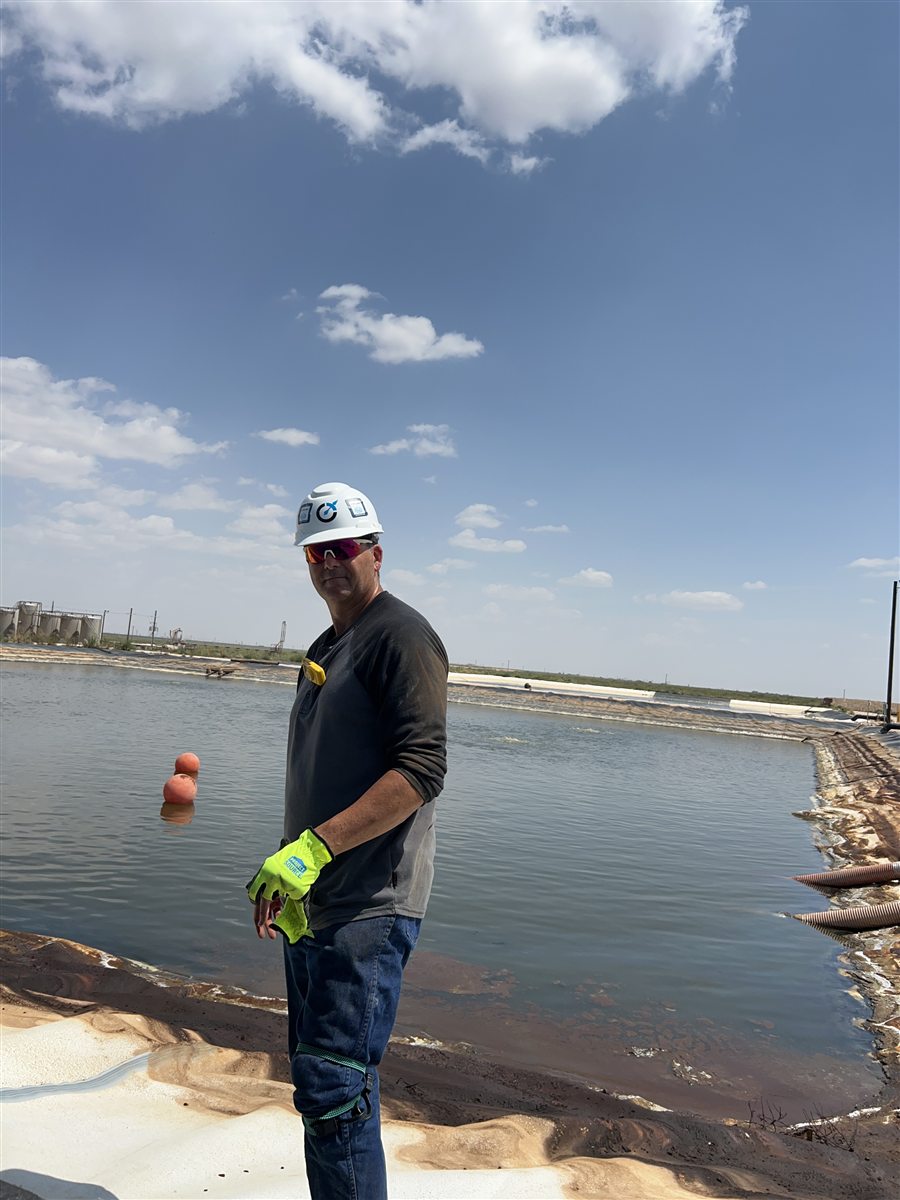
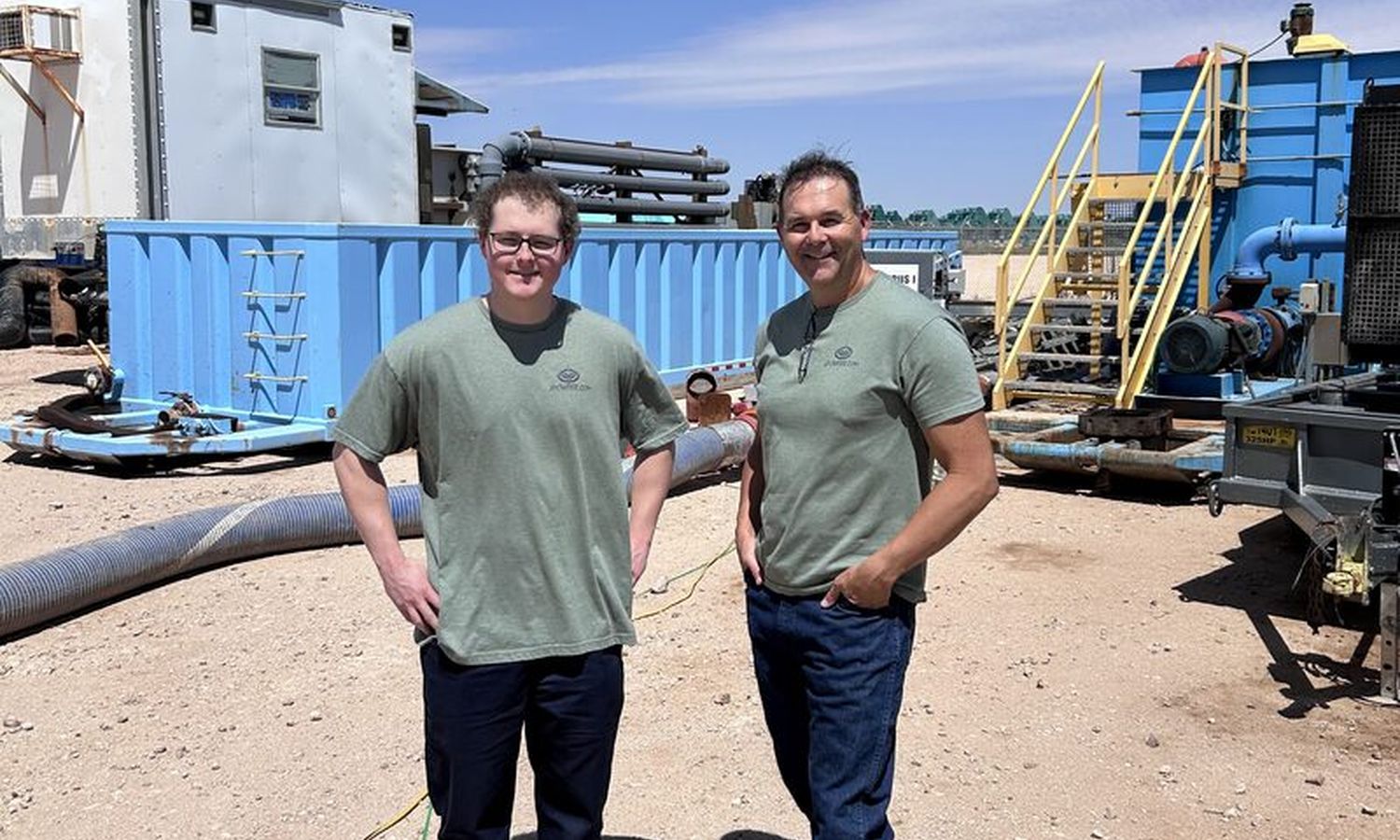
On the catwalkCamera positions are checked from where the operator stands.At the weirThe models measure what the crew already judges by eye.Readings at the unitWhat the screen says is checked against the unit itself.Jim, equipment leadKeeps the treatment equipment running in the field.Walking the padEvery install starts with a walk round the pad with the crew.Together on the padOperators, engineers and field crews on the same problem.Ivan and LambertWalkthroughs with the operators decide what gets built next.With the crewHard hats on, on the pad where the data comes from.Pond inspectionWhat the crew judges by eye is what the models learned to measure.ClO2 linePipe and dosing checks with the people who run the line.Checking the recordThe field sheet reviewed with the operator who filled it in.In the shopPanels wired and tested on the bench before they go to a pad.Along the tank lineFollowing the water from the tanks to the unit.Building the camera kitsCameras and mounts prepared and tested in the shop with Jim.Ryan, wiring a siteCameras, AIBox and sensors installed by the people who built them.At the trailerThe crew that runs the unit is the crew we build it with.At the transfer pumpHoses, pumps and valves: the readings start here.Ivan at the pondStanding where the camera looks, before trusting what it measures.
Customer crews shown here work for our customers, not for XPC, and appear with their agreement.
About us
A software company that decided to go stand in the mud.
Sager Systems has been building software since 2000. XPC Water is what happened when that experience was pointed at an industry where the data was real, the conditions were hostile, and nobody had connected the pieces.
We are a senior technology team. A customer request becomes a deployed change in days, not quarters, because the people writing the code are the people standing on the catwalk.
“If I am asking an operator to trust the number, I should be standing at the tank when we take it.”Ivan Sager, founder
2000Sager Systems founded — enterprise software and consulting.
2018XPC Water in production on live produced water sites.
Today1,041,962,134 barrels recorded across the Permian Basin and Eagle Ford.
Pick one unit. We’ll show you the numbers in 45 days.
Bring us one DAF or ClO2 workflow. You talk to the people who build it.
 XPC Water


 Excel
 PowerPoint